
Percentage-of-Completion After ASC 606: Key Changes

This ratio helps determine the percentage of the project completed, which then informs the revenue and profit recognized in each period. Regularly monitoring allows you to catch any deviations early on and adjust your revenue recognition accordingly. This video offers a helpful breakdown of how progress is measured and applied to revenue calculations. The core principle of the percentage of completion method is recognizing revenue as you earn it, not just when the project finishes. This differs from other methods that might delay revenue recognition until the very end, potentially misrepresenting your financial performance during long-term projects. With POC, revenue gets distributed across the project’s timeline, providing a more accurate view of your income stream.
Manage Change Orders and Scope Creep
- Wrong projections can result in billing issues with clients, and companies must spend time fixing revenue calculations.
- Working with professional construction accounting services helps mitigate these risks.
- This approach aligns revenue recognition with the work performed, providing a more accurate financial picture during the life of the project.
- ABC Company has won a contract for excavation of an area which will take two years to complete.
- If you’ve delivered 200 widgets, you recognize revenue for 20% of the contract.
Input-based methods focus on the resources consumed during the project to assess completion levels. While many aspects of a percentage-of-completion method remain the same under ASC 606, the new guidance does need to be studied seriously. Some of the larger conceptual changes regarding performance obligations impact how it will be used. Contractors need to consider finer points of guidance as well, just as with previous GAAP guidance and IRS reporting requirements.
The Ultimate Breakdown of the Percentage of Completion Accounting Method

These accounts represent costs incurred that haven’t been billed to customers yet. Delays and unforeseen circumstances can lead to increased costs and a need to adjust your initial quote. This can affect your POC and forecasted revenue, making it difficult to determine an accurate figure to recognize at different points in your project. Tracking percentage of completion requires many variables to be consistently tracked and reported. This can be a significant administrative effort, requiring additional systems in place to consistently report on metrics like hours, costs, or units.
- Aligning with these standards not only ensures accurate financial reporting but also builds trust with stakeholders.
- In this article, we’ll explain the percentage of completion method, how it works, and look at some real-life examples.
- Managing long-term projects comes with its own set of financial complexities.
- Unlike the completed contract method, which recognizes revenue only upon the project’s completion, the percentage of completion method allocates revenue and expenses based on the project’s progress.
- The POC method provides a more accurate view of your company’s financial health during long-term projects.
- Its future will likely be characterized by technological integration, regulatory refinement, and an increased emphasis on accuracy and risk management.
Better Cash Flow Management

For example, an overly optimistic completion estimate can inflate current period revenue, only to require adjustments in the future. From the perspective of generally Accepted Accounting principles (GAAP), PCM is guided by specific criteria that must be met for its application. Toshiba’s accounting scandal came to light when an internal investigation uncovered that operating expenses were understated in several years between 2008 and 2014. This manipulation artificially inflated revenues and profits, enabling the company to meet ambitious internal targets set by its executives. The perpetrators of this deception misallocated costs https://lotzemosle.wpengine.com/blog/what-are-trade-payables/ across various accounting periods through a series of journal entries and intercompany transactions.
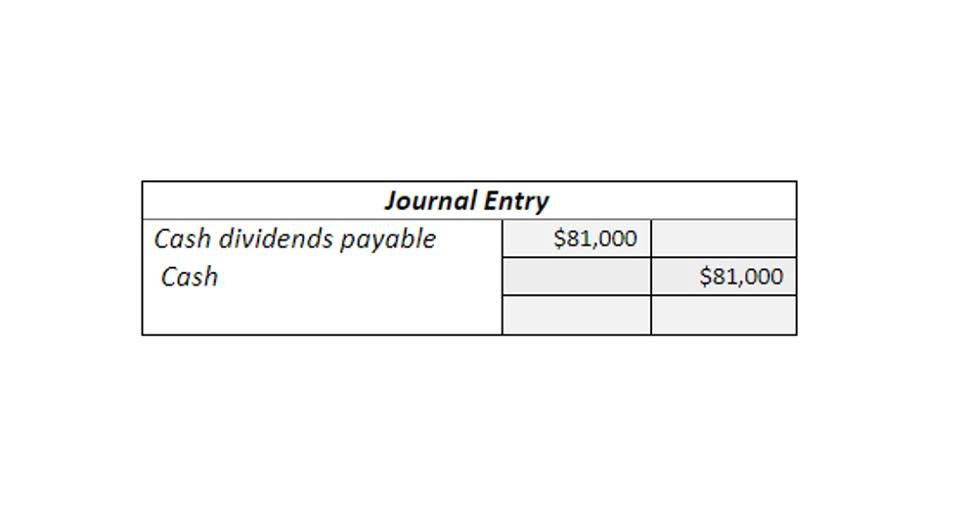
They increase or decrease the amount of revenue recognized on the income statement and create an asset or a liability on the balance sheet. Additionally, the ability to send automated reminders for billing documents and payments keeps everything up to date. A streamlined billing process with the help of customizable software means you can improve your billing process.
The Percentage of Completion Method is a valuable accounting tool that, when applied correctly, offers a realistic view of a project’s financial trajectory. It requires careful estimation and regular reassessment to ensure that the financial reflection of the project’s https://www.bookstime.com/ progress remains accurate throughout its lifecycle. The company admitted to underreporting operating costs by approximately ¥152 billion ($1.2 billion) over six years from fiscal 2008 to 2014. This deception was carried out to artificially inflate profits and meet unrealistic internal targets, leading to a series of consequences for Toshiba. You incur half of the expected costs in Year 1 ($400,000) and bill the customer $450,000. Percentage of completion accounting is often the best way to go, but there are some exceptions.
Percentage-Of-Completion Estimates
Comparing actual costs to expected total costs, as suggested by Axley Rode, is a common practice, but the accuracy of those initial projections is critical. Some believe that the percentage of completion method complicates revenue recognition. In reality, it offers a more accurate picture of a project’s financial status than recognizing all revenue at the end. By recognizing revenue proportionally to work completed, the POC method provides a realistic view of your financial performance throughout the project lifecycle.
⃣ Most Important Concept: Revenue Recognition
You can also seamlessly integrate accounting payment statements into your routine. But staying on top of changes is essential to the proper accounting procedures of your company. Making sure change orders accurately go into the system will provide an accurate estimate of costs and avoid incidents of overbilling. From the perspective of project managers, the POC method serves as a critical tool for tracking progress and forecasting project outcomes. It allows for early detection of potential overruns and underruns, enabling timely corrective actions. For instance, a construction project manager might notice that 50% of the budget has been spent while only 30% of the work is complete, signaling a need for budget realignment.
Selecting the appropriate percentage of completion method revenue recognition method is crucial for maintaining compliance, supporting business growth, and providing stakeholders with a true view of the company’s financial performance. Regardless of the specific method you choose, the overall process for calculating the percentage of completion follows a similar structure. As the project progresses, diligently measure your progress using your chosen method.
- For example, if you’ve spent $50,000 and estimate the total project cost to be $200,000, you’re 25% complete.
- The stage of completion is measured by assessing progress toward satisfying the performance obligation under the contract.
- This method works best when you can reliably estimate the total project costs and timeline, and when you’re reasonably sure you’ll get paid.
- Think of a complex software development project where defining “units” can be tricky.
- For example, a project that has estimated costs of CAD 100,000 has incurred CAD 50,000 in costs so far.
- Construction businesses can spot potential issues early through WIP reports, including cost overruns or project delays.
- You can calculate the percentage of completion for contractors by using costs, units, or labor hours.
Handling Tax Implications
If the contract is for $1,000,000, the contractor would record revenue of $500,000 for the period, which would be reflected in their income statement. Keeping track of income and expenses for long-term construction projects can be overwhelming. Fortunately, the CFMA has recommended a method of accounting that makes this task much easier. Regardless of the accounting method your construction business is using, it’s important to take steps to secure your payments on every project. These differences in the billing amount are recorded as journal entries in the general ledger.